
 Halloween is near and it’s once again time for trick or treaters! SafeTech Alarm Systems would like to remind our readers of a few Halloween safety tips that will keep the day fun! When it comes to Halloween safety tips, it’s a great idea to always be prepared.
- Know the route that your children will be taking and who they will be heading out with.
- Check your local sex offenders list and instruct your children to stay away from dangerous homes. This is one of the most important Halloween safety tips.
- Make sure your children are wearing reflective clothing that can be seen at night. This will protect them from cars and other hazards.
- Avoid costumes that make it difficult to see or easy to trip.
- Serve your children a meal before they head out to reduce their desires to snack on their treats. This will keep them from eating something that they shouldn’t while they are out.
- Inspect all candy before your children eat it and throw out any items that may have been tampered with.
- Give your child a flashlight to take with him or her. This is another one of the very important Halloween safety tips because it helps children see and avoid danger.
Halloween Safety Tips from SafeTech Experts
The professionals at SafeTech Alarm Systems understand what it takes to stay safe on Halloween. We work with businesses and individuals across the country to improve safety and security for everyone. We sincerely hope that when you are celebrating Halloween that you keep these Halloween safety tips in mind.While most people want to enjoy this special day with fun and good humour, there are some people who take advantage of this occasion to cause crime or hurt others. Hopefully, you don’t run into any dangerous situations this Halloween, but keeping these Halloween safety tips in mind is a very good idea anyway.
 Did you know that you can watch security cameras using your phone and keep your home safe? One of the best features about having Internet-enabled security cameras is that you are able to view your cameras from anywhere with an Internet connection. In the past, it has been possible to watch your home security cameras from the office or view your office building from home. However, thanks to an increase in smart phone usage, it’s now possible to watch security cameras in the home from anywhere!
 For iPhone users, there are a couple of applications available. One of the most complete applications is
 These days people are sharing more and more of their personal information online. This is good for socializing, but bad for staying secure online. Thanks to Twitter, Facebook, Flickr and a variety of other social media websites, it is now easier than ever to invite friends to social events, post photos, share vacation plans and keep your social circle informed than ever before.
 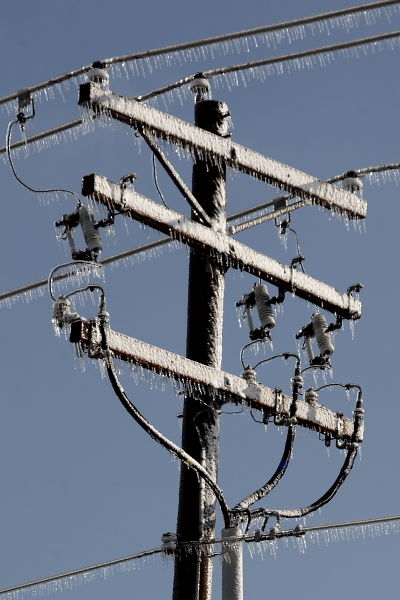 Most power outages last only a few moments, but in some cases you can be hit with a longer disruption. Not only can this be a nuisance, but it can also be quite dangerous if you are not prepared. This is why it is important to review power outage safety tips in case you end up in a dangerous situation. There are a few things you can do to keep yourself, your home and your family safe during a blackout.
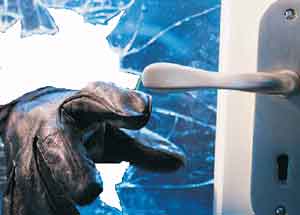 Detailed information on what burglars are looking for and what burglars want when they break into a property has now been revealed. A
  Nadia Fezzani is a Canadian journalist who has conducted extensive research and interviews with many notorious American serial killers. As a specialist on serial killers, Ms. Fezzani gives conferences on the topic to university students and to different organizations. She also works with production companies on TV documentaries. She’s gotten into the minds of some of the most dangerous serial killers alive and learned to understand how they think. She has used this knowledge to provide helpful safety advice and tips on how you can avoid becoming a victim of a violent attack.
 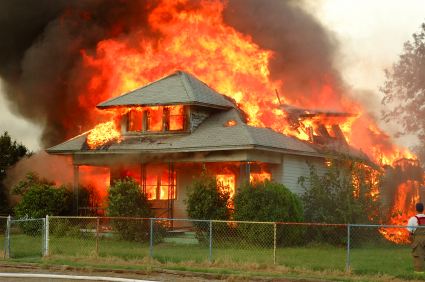 If your bedrooms are located on the second floor of your home, window escape routes will be more difficult to use as a part of your emergency exit plan. However, in the case of a fire, it may be necessary to do so. Every member of the family should know how to exit from a second storey window. Placing a ladder on the outside of your home to make escape easier is NOT recommended. Criminals frequently use such ladders to gain entrance to a home.
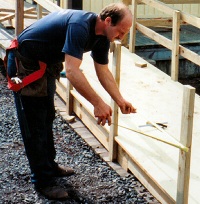 Whether you’re renovating your home or making some repairs around the house, there will inevitably be a time where you can’t handle a project and you have to look to outside help. Working with a contractor can get the work done much faster, but it’s also important to keep safety in mind. Contractor security is important.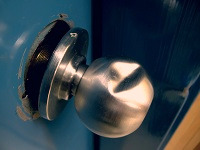
 Criminals do not want to be seen. It is much easier to break into a dark property and stay hidden in the shadows than it is to walk through a lighted area where people will notice you. This is why many break and enters occur at night and why security lighting is such a good way to prevent crime.